Why Choose Solar Electricity for Your Energy Needs?
In recent years, solar electricity has emerged as a key player in the renewable energy sector. Dr. Emily Carter, a leading expert in solar technologies, states, "Solar electricity transforms how we think about energy." This transformation is crucial as the world faces rising energy demands and environmental challenges.
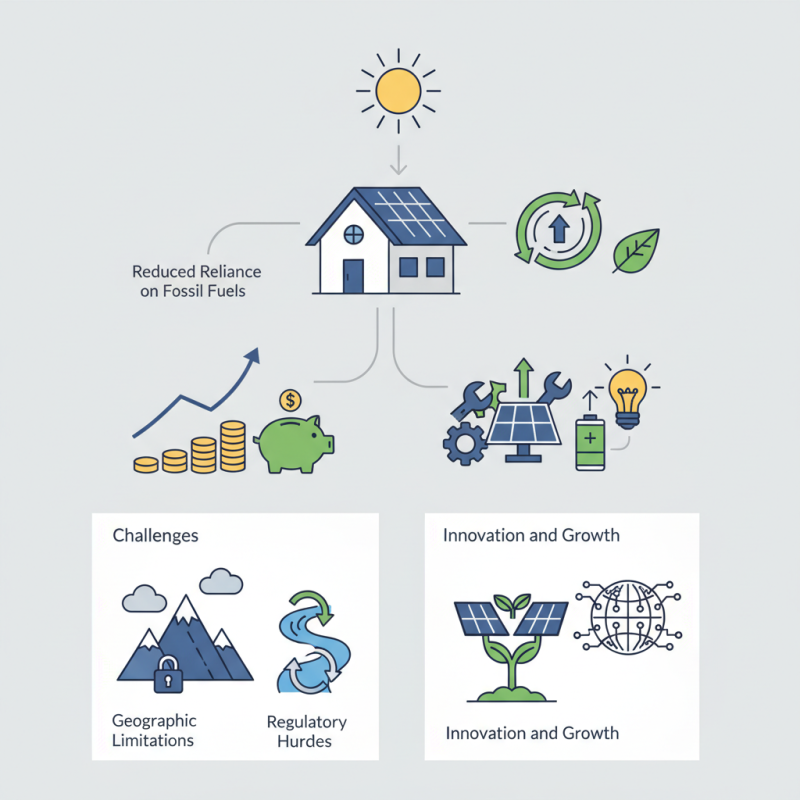
Many households are opting for solar electricity to reduce their reliance on fossil fuels. With advancements in technology, solar panels have become more efficient and affordable. Yet, some remain skeptical about the initial investment required. This hesitation can stem from a lack of understanding of long-term savings and environmental benefits.
The journey to adopting solar electricity is not without its challenges. Some areas may encounter obstacles like geographic limitations or regulatory hurdles. These factors can impact solar energy's accessibility. Despite this, the potential for innovation and growth in solar electricity continues to drive interest and commitment across various sectors.
Benefits of Solar Electricity for Sustainable Energy Solutions
As the world seeks sustainable energy solutions, solar electricity shines as a promising option. Solar power harnesses the sun's energy. This process is clean and renewable. It helps reduce greenhouse gas emissions, crucial for combating climate change. With increasing gas prices, solar energy offers a cost-effective alternative. Once installed, solar panels require low maintenance, providing savings over time.
Solar electricity also boosts energy independence. Homeowners can rely less on traditional energy sources. This shift provides greater control over energy bills. Additionally, solar power systems can increase property values. Many homebuyers are interested in energy-efficient homes. However, not everyone can afford the initial installation costs. This issue highlights the need for better financing options.
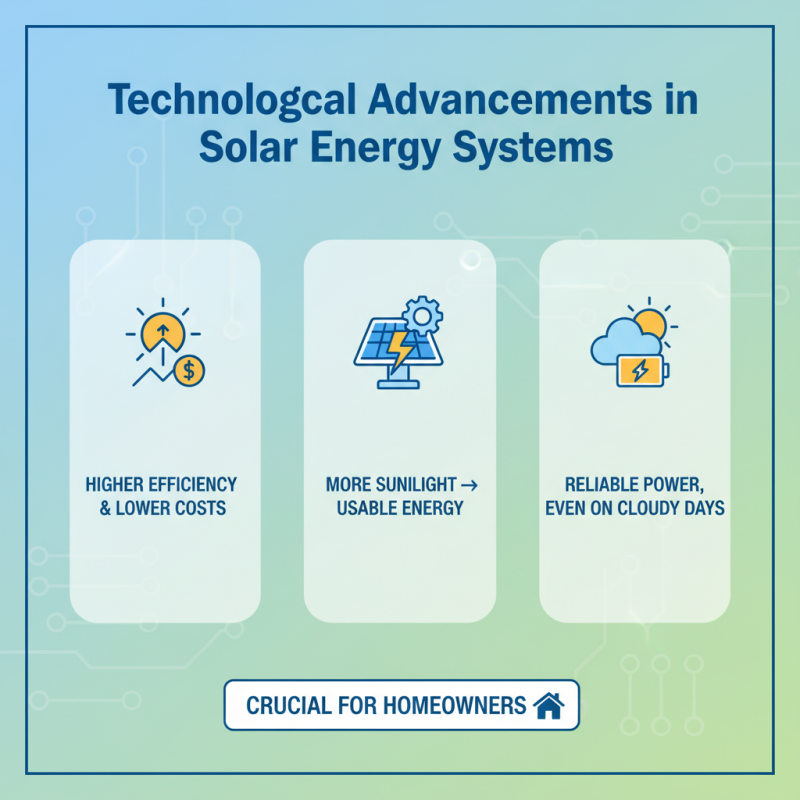
The technology behind solar panels continues to evolve. Advances improve efficiency and lower production costs. However, the availability of sunlight varies by location. This inconsistency can affect energy generation. Not all areas may benefit equally from solar installations. Despite these challenges, the potential for a sustainable future with solar electricity remains significant.
Cost Savings and Financial Incentives for Solar Energy Adoption
Solar energy has become an attractive option for many homeowners. It offers substantial cost savings over time. By harnessing the power of the sun, you can reduce your electricity bills significantly. Many regions provide financial incentives to encourage solar adoption. These can include tax credits, rebates, or even grants. This makes the initial investment more manageable.
However, transitioning to solar energy does come with challenges. The installation costs can still be high upfront. Some homeowners may feel hesitant due to this initial expense. It’s crucial to evaluate the long-term benefits against these initial hurdles. Energy prices can fluctuate, but solar energy provides more stable costs. You gain control over your energy budget with solar panels.
Adopting solar energy isn't just a financial decision; it also impacts the environment positively. The government often provides various incentives to support this shift. It's essential to stay informed about these opportunities. Many programs can help offset costs and promote a cleaner future. Engaging with reputable local experts can further clarify potential savings. Understanding your energy needs is key in this transition.
Environmental Impact: Reducing Carbon Footprint with Solar Power
Solar power presents a significant opportunity to reduce our carbon footprint. According to the International Renewable Energy Agency (IRENA), switching to solar electricity can reduce greenhouse gas emissions by up to 1.1 gigatons annually. This substantial reduction can help combat climate change and its dire impacts.
Many homes and businesses still rely on fossil fuels. This reliance creates pollutants that harm the environment. In fact, the Energy Information Administration (EIA) states that around 67% of electricity generated in the U.S. comes from fossil fuels. Transitioning to solar not only decreases this percentage but also promotes cleaner air and water. A shift to solar can decrease air pollutants by approximately 50%.
Some may worry about the initial costs of solar installations. However, governments and institutions increasingly support this transition through tax incentives and subsidies. These programs can offset upfront costs, making solar more accessible. While the payback period for solar investments can vary, studies show that most homeowners recoup their costs in about six to eight years. This investment not only benefits individuals but also contributes to a more sustainable future for everyone.
Why Choose Solar Electricity for Your Energy Needs? - Environmental Impact: Reducing Carbon Footprint with Solar Power
| Dimension |
Data |
| Average Carbon Emission per kWh (Coal) |
0.92 kg CO2 |
| Average Carbon Emission per kWh (Natural Gas) |
0.45 kg CO2 |
| Average Carbon Emission per kWh (Solar) |
0.05 kg CO2 |
| Reduction in Carbon Emissions with Solar (per 10,000 kWh) |
8,700 kg CO2 |
| Equivalent Trees Planted for Carbon Offset (10,000 kWh) |
116 trees |
| Energy Yield of a Typical Residential Solar System (kWh/year) |
9,000 kWh |
| Average Lifespan of Solar Panels (years) |
25 years |
| Estimated CO2 Savings Over 25 Years (kg) |
217,500 kg CO2 |
Considerations for Transitioning to Solar Electricity in Homes and Businesses
Transitioning to solar electricity is a significant decision for homes and businesses. It requires careful consideration of several factors. One crucial aspect is assessing your energy needs. Analyze your energy consumption patterns to determine the right solar system size. This step can prevent overspending on unnecessary capacity.
Moreover, understanding local regulations is essential. Different regions have varying rules about solar installations. Research local incentives too. Grants and tax benefits can significantly reduce costs. However, it’s important to be aware of potential delays in approvals. These can affect the project timeline.
Installation and maintenance also require reflection. A clean installation area is vital for optimal efficiency. Ensure the roof or installation site has no shading. Regular maintenance checks help keep the system performing well. This commitment is crucial for long-term savings. Keep in mind that solar panels are a long-term investment. It might take time to see full financial benefits. However, many find the environmental advantages worth the wait.
Why Choose Solar Electricity for Your Energy Needs?
Transitioning to solar electricity can be a significant investment, but the long-term benefits such as annual savings on utility bills and a substantial reduction in carbon footprint make it a compelling choice for both homes and businesses.