How to Calculate Solar Cost Effectively for Your Home?
Calculating solar costs effectively is essential for homeowners looking to invest in renewable energy. According to Dr. Emily Carter, a leading expert in solar energy economics, "Understanding solar cost can significantly improve your energy budget." Her insights highlight the importance of separating both upfront expenses and long-term savings.
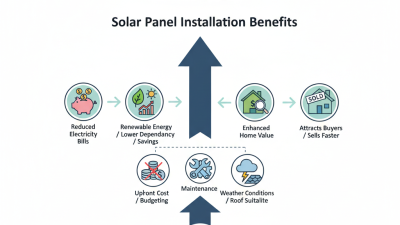
When assessing solar costs, consider installation fees, equipment quality, and local incentives. These elements can vary greatly by region, making it crucial to conduct thorough research. Homeowners often overlook hidden costs, like maintenance or system upgrades, which can impact the overall investment.
Solar cost evaluation can feel overwhelming. However, gathering multiple quotes and consulting with reliable experts can simplify this process. Don't shy away from asking tough questions, as true transparency from providers is vital in this industry. Although this journey requires effort, grasping the total solar cost can lead to smart, long-term energy decisions.

Understanding Solar Panel Costs: Key Factors Influencing Pricing
When considering solar panel installation, understanding costs is crucial. Several factors influence the price of solar panels. The type of panels you choose significantly affects your investment. Standard silicon panels are often less expensive than high-efficiency options. However, high-efficiency panels can save you money in the long run through reduced energy bills.
Installation costs also vary widely. Factors such as your location, roof type, and installation complexity play vital roles. Urban areas may have higher labor costs compared to rural regions. Additionally, local regulations and incentives can either increase or decrease your total investment. Making a well-informed decision requires research and sometimes even a bit of trial and error.
Don’t forget to consider the long-term maintenance of your solar system. Some systems may require periodic checks or cleaning, which adds to the overall cost. Evaluating these elements carefully can lead to better financial outcomes. Engage with local experts to gather insights tailored to your specific situation. Sometimes, understanding what you don’t know can be as valuable as the information you have.
Assessing Your Energy Needs: Determining the Right System Size
Assessing your energy needs is crucial when considering solar power for your home. Understanding how much energy you consume helps in determining the size of the solar system you require. Review past energy bills to identify patterns. Take note of your monthly usage trends. This analysis provides a solid foundation for selecting the right system.
Next, consider your household's specific energy needs. Different families have various consumption habits. Appliances like HVAC systems or electric vehicles can influence the total. Think about future changes too. Will you install new appliances or expand your space? These factors may increase your energy demand over time. It’s a complex equation that deserves careful thought.
Additionally, it's worth reflecting on your current energy sources. Are they efficient? Are you relying heavily on fossil fuels? This not only affects your budget but also your environmental impact. Pay attention to the balance between energy production and consumption. You might find the perfect solar system size that meets your needs while promoting sustainability.
Financing Options for Solar Installations: Loans, Leases, and Incentives
Financing solar installations can significantly impact your overall expenses. There are various methods to consider, including loans, leases, and incentives. Each option has its own benefits and drawbacks. Understanding these can help you choose the right fit for your finances and energy goals.
Loans offer ownership, allowing homeowners to benefit from tax credits and rebates. However, monthly payments can strain budgets. Leases, on the other hand, require little to no upfront costs but often lack the same long-term savings. Incentives vary by location, but they can make solar installations more affordable. It’s essential to research local programs and government benefits.
Reflect on what works best for you. Analyze your financial situation honestly. Consider whether you are prepared for maintenance and unexpected expenses that may arise. The decision should align with your energy needs and financial capacity.
Calculating Return on Investment: Analyzing Long-Term Savings
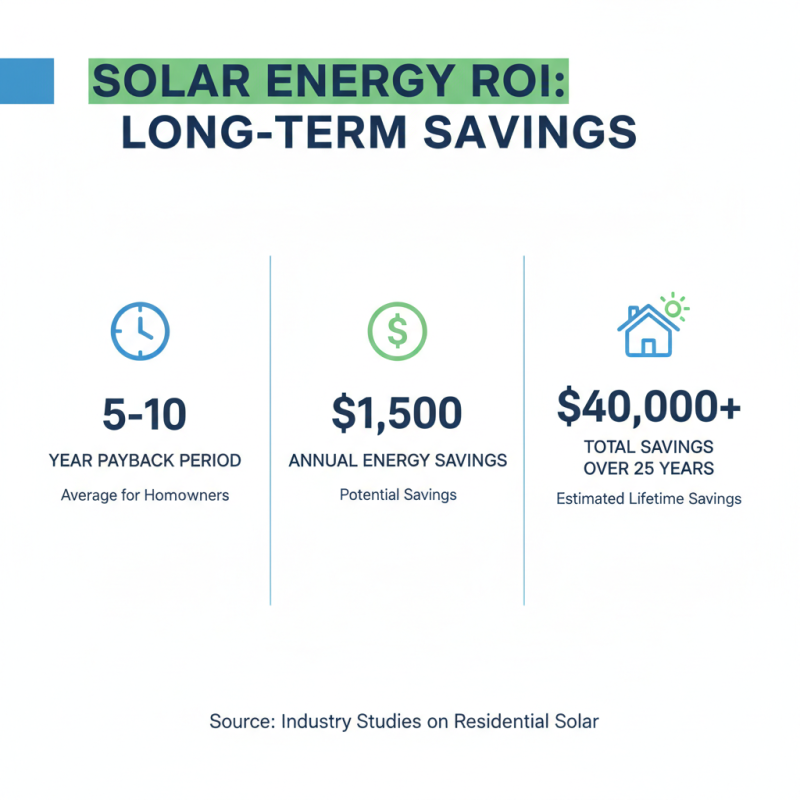
When considering solar energy for homes, it's crucial to analyze the return on investment (ROI). Studies indicate that homeowners typically see a payback period of around 5 to 10 years. The average savings on energy bills can reach up to $1,500 annually, depending on location and energy usage. Over 25 years, this can translate into significant savings, often exceeding $40,000.
Factors such as installation costs, state incentives, and energy prices play a vital role. For instance, a comprehensive report from the National Renewable Energy Laboratory shows that incentives can reduce upfront costs by 30% or more. Homeowners should analyze their local electricity rates and historical usage patterns.
Yet, not every installation yields the same results. Some homes may not see a return if overshadowed by nearby trees or have less than optimal roof exposure. It's essential to evaluate site-specific conditions carefully. Many might find themselves needing further adjustments long after installation, impacting their financial forecasts.
Comparing Installation Quotes: Evaluating Offers from Contractors
When looking for solar installation quotes, take time to evaluate
each contractor’s offer carefully. Compare the total costs presented, but also dig deeper into what each
quote includes. Some contractors may offer lower initial prices but exclude critical components, like
inverters or warranties.
Understanding these details is vital.
Ask each contractor about their experience and expertise. A well-established
company often has more reliable systems in place. Look for customer reviews or testimonials to gauge
their authority in the market. A high number of positive experiences can be a good sign of reliability.
On the other hand, pay attention to any complaints. They can provide valuable insight into potential issues.
Evaluate the payment structures in quotes. Some contractors may suggest financing options, which can seem
attractive at first. However, consider the long-term costs these options may entail.
Be cautious of hidden fees that could arise later. Ensure that you fully understand the terms before
making a decision.