China Best Solar Carport Structures for Sustainable Energy Solutions?
In recent years, solar carport structures have emerged as a promising solution for sustainable energy. Experts in the field emphasize their value, such as Dr. Emily Chen, a solar energy specialist. She stated, "Solar carports provide a dual benefit: renewable energy generation and vehicle protection." This innovative approach allows businesses and homeowners to harness solar power while utilizing available space efficiently.
These structures can be installed in various locations, from commercial parking lots to residential driveways. They not only offer shade but also generate clean electricity. However, the initial investment can be a barrier for many. Understanding the overall return on investment is crucial for any potential adopter.
Sustainability is a key focus for our future, and solar carport structures play a vital role in this transition. They encourage solar adoption and contribute to a greener environment. Yet, challenges remain in integrating these structures into existing infrastructures and ensuring adequate energy storage solutions. The journey toward wider acceptance is ongoing, prompting industry experts to call for more awareness and innovation in this area.
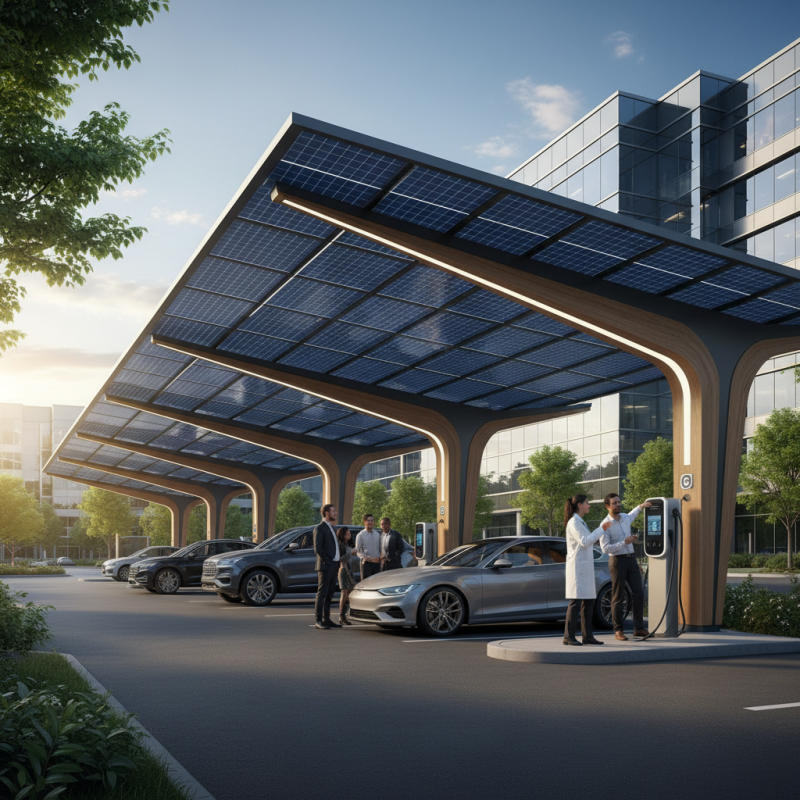
China's Solar Carport Structures: An Overview of Current Innovations
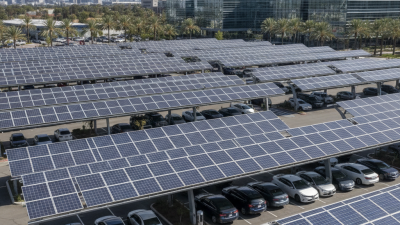
China is embracing solar carport structures as a key component of sustainable energy solutions. Recent reports indicate that the solar carport market in China is expected to grow by over 40% by 2025. These structures not only provide shade for vehicles but also generate renewable energy. The integration of solar panels into parking areas is revolutionizing how urban environments harness solar power.
Innovations in design and technology are evident in many newly constructed carports. For instance, modular designs allow for easy installation and maintenance. Additionally, some carports come equipped with energy storage systems. This enables the accumulation of energy even during non-peak sun hours. Research from industry leaders reveals that carports can generate around 30% more energy than traditional rooftop installations due to their elevated positioning.
Tips: When considering solar carports, look for structures that maximize sunlight exposure. Check local regulations regarding installation and energy production. Investing in quality materials can enhance durability and lifespan. Keeping up with emerging trends can lead to more sustainable choices. Reflecting on the adaptability of solar carports helps identify areas for improvement.
Key Features of Sustainable Solar Carport Designs in China
In recent years, solar carports have gained traction in China as sustainable energy solutions. These structures provide shade while harnessing solar energy. Their dual functionality is appealing in urban areas where space is limited. Key features of effective solar carports include durable materials and efficient solar panel placements. These elements enhance energy production and ensure longevity.
Tips: Consider using high-albedo materials for the carport structure. This can help reflect sunlight and keep the area cooler. Also, think about integrating electric vehicle charging stations to promote clean transportation.
Solar carport designs should be adaptable to various environments. Some structures blend seamlessly with landscapes, while others are built for urban aesthetics. The orientation and angle of the solar panels are vital. They should maximize sun exposure throughout the day. However, less attention is often paid to maintenance needs, which can affect long-term performance.
Tips: Regular cleaning of panels is crucial. Dust and debris can reduce efficiency. Also, consider local weather conditions when planning the design; this can influence material choice and structural integrity. The balance between beauty and functionality is essential but often underestimated.
Key Features of Sustainable Solar Carport Designs in China
This chart illustrates the key features of sustainable solar carport designs in China, rated on a scale from 1 to 10. Durability and eco-friendliness are rated the highest, emphasizing their importance in sustainable energy solutions.
Benefits of Solar Carports for Renewable Energy and Environment
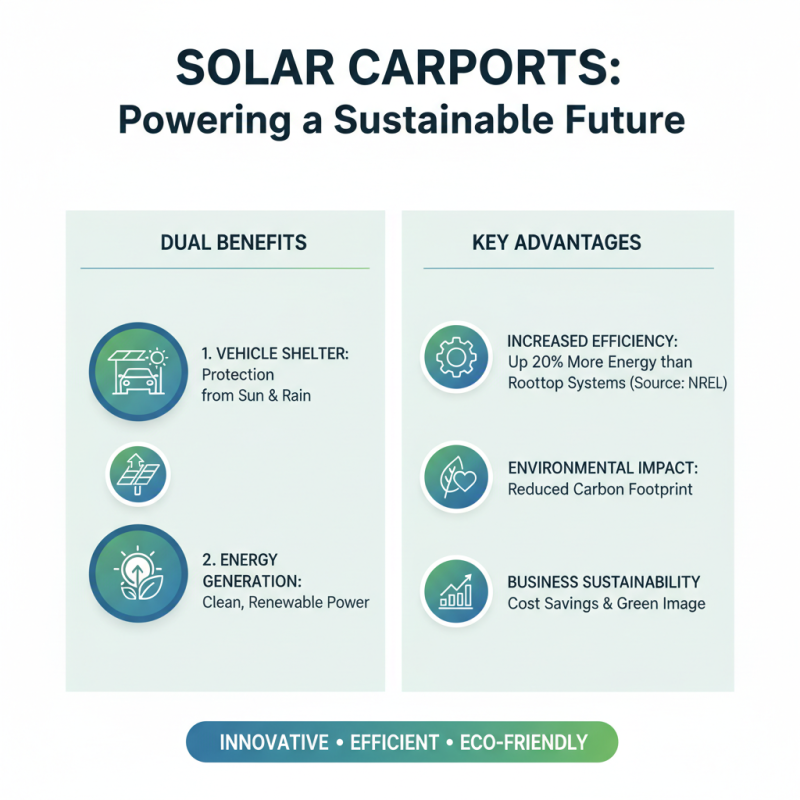
Solar carports are an innovative way to harness renewable energy. They provide dual benefits: shelter for vehicles and a platform for solar energy generation. According to a report by the National Renewable Energy Laboratory, commercial solar carports can increase energy production by 20% compared to traditional rooftop systems. This added efficiency is crucial as more businesses pursue sustainability.
The environmental impact of solar carports is significant. A study by the Solar Energy Industries Association revealed that solar carports can offset up to 90% of carbon emissions associated with traditional energy sources. This reduction is vital in the fight against climate change, as it promotes cleaner air and decreased reliance on fossil fuels. However, the implementation of solar carports must be carefully planned. There can be local regulations or structural challenges that affect installation.
While the benefits are clear, there are still hurdles to overcome. Some regions may have limited sunlight due to geographical factors. Moreover, installation costs can be high upfront. These challenges require careful consideration and planning. Prospective users must weigh the long-term savings against initial investments. Understanding these trade-offs is essential for truly embracing solar carports as sustainable energy solutions.
Investment Trends in China’s Solar Carport Market
The solar carport market in China is rapidly evolving. Recent reports suggest a significant investment shift. By 2025, the market size is projected to reach approximately $5 billion. This growth reflects heightened interest in sustainable energy solutions.
China's commitment to renewable energy is driving this trend. In 2022, solar energy accounted for around 11% of the country’s total energy consumption. Carports provide an excellent opportunity to harness this potential. They can eliminate reliance on traditional energy sources while offering shaded parking.
However, the market faces challenges. There is a need for quality standards and reliable data. Many structures lack proper safety certifications, raising concerns among investors. Addressing these issues will be crucial for long-term success. Transparency in the supply chain is essential. The industry must prioritize both innovation and accountability.
Case Studies of Successful Solar Carport Projects in China
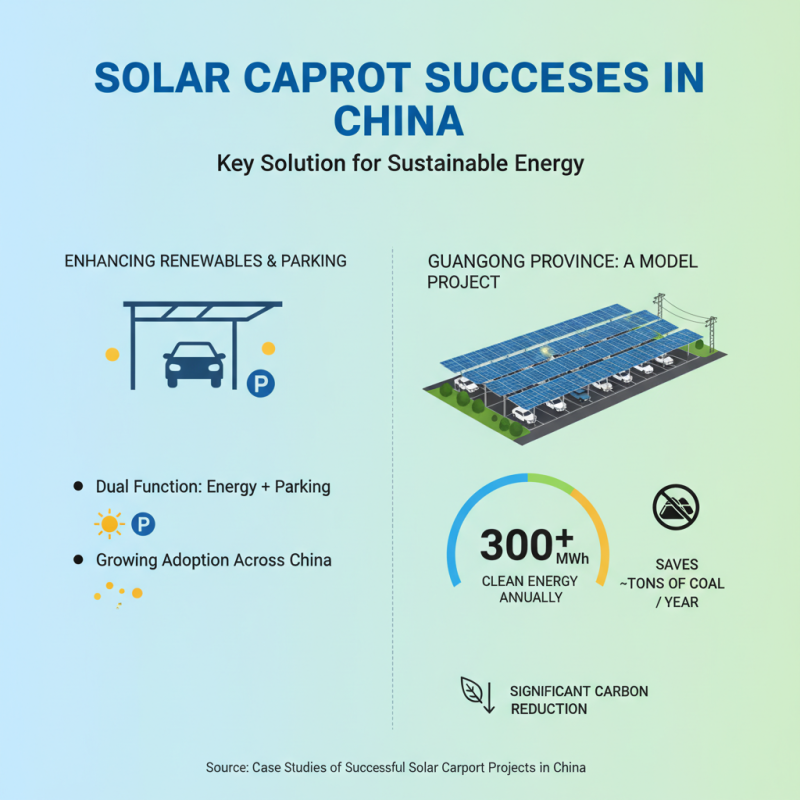
Solar carports in China have emerged as a key solution for sustainable energy. Numerous projects highlight how these structures enhance renewable energy adoption while providing essential parking space. One notable case is a solar carport in Guangdong province, which produces over 300 MWh of clean energy annually. This saves around 150 tons of coal each year, significantly reducing carbon emissions.
In another example, a project in Beijing transformed a commercial parking lot. The solar carport there generates approximately 500 kWh daily. This allows the facility to power local businesses and reduce their reliance on grid electricity. Studies indicate that solar carports can also increase the lifespan of vehicles by protecting them from harsh weather. However, challenges remain, such as upfront construction costs and space limitations in urban areas. It is essential to continually assess the balance between these benefits and drawbacks for broader implementation.
Research shows that solar carports can improve energy efficiency by 25-30% compared to traditional installations. They not only maximize land use but also generate income through energy sales. Urban planners and policymakers must address infrastructure needs while advancing solar installations. The integration of solar technology in carports requires ongoing discussions. This ensures sustainable development is achieved without compromising urban space.