Discover Solar Car Ports at the 139th Canton Fair?
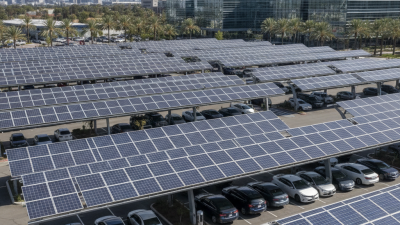
The 139th Canton Fair, scheduled for April 2026, will feature innovative products like solar car ports. These structures provide a sustainable solution for parking while generating renewable energy. Visitors can explore solar car ports to see how they integrate green technology into everyday life.
AI enhancements will improve the fair experience. Attendees can use AI to find exhibitors with necessary certifications. This technology helps navigate the vast exhibition area efficiently, ensuring a broader reach for innovative products. Still, the challenge remains to fully understand the potential impact of solar car ports on urban infrastructure.
Imagine a city where solar car ports become the norm. These installations can transform parking lots into energy hubs. As we witness this shift, questions about their effectiveness and scalability emerge. Engaging with these ideas at the Canton Fair may inspire new conversations about sustainable living and innovation.
Exploring Solar Car Ports: Innovations at the 139th Canton Fair
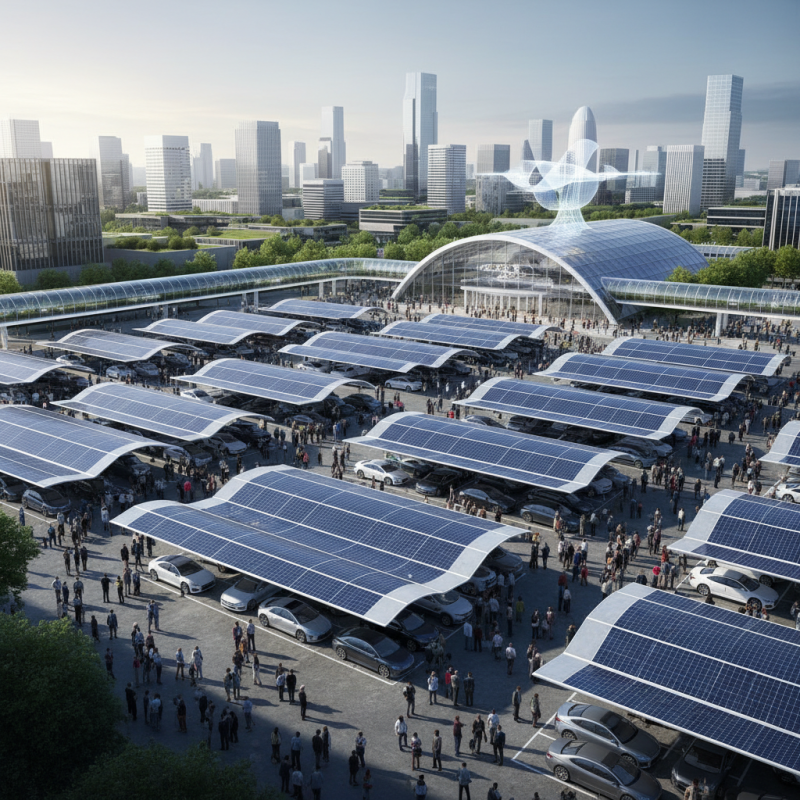
The 139th Canton Fair showcases innovative solar car ports, a growing trend in renewable energy infrastructure. Solar energy usage has surged globally, with the International Energy Agency reporting a 22% growth rate in 2023. This fair offers a unique platform for manufacturers and designers to exhibit their latest innovations in solar car ports.
Solar car ports not only protect vehicles but also harness sunlight for energy. According to a recent industry report, these installations can generate up to 70% of a car's energy needs. They integrate seamlessly into urban landscapes, enhancing aesthetics while contributing to sustainability. Many designs focus on ease of installation and maintain a balance between functionality and style.
Yet, the solar car port market is not without challenges. Issues such as initial costs and installation regulations need addressing. Some designs are bulky and may not fit every urban setting. There’s a learning curve in maintenance and maximizing energy output. These factors are critical as this industry moves towards a more sustainable future.
Sustainability Trends: The Growth of Solar Car Port Technologies
As the world shifts towards sustainable energy solutions,
solar car ports are gaining traction. These structures not only provide shelter for vehicles but also serve as significant renewable energy sources.
According to a recent report, the global solar carport market is projected to grow at a compound annual growth rate (CAGR) of
22.5% from 2023 to 2030.
Cities are increasingly adopting these technologies. In suburban areas, installations on residential properties are becoming common. In fact, municipalities are offering
incentives for homeowners to adopt solar car ports. However, some challenges remain.
Space constraints and local regulations can hinder installations, limiting their growth potential.
Innovations in solar panel efficiency and storage solutions are essential. Current models often struggle with peak energy generation and excess power management.
Enhanced designs and technologies could improve overall effectiveness and efficiency. The future seems promising, yet these hurdles highlight the need
for collaboration and continuous improvements in this burgeoning field.
Market Insights: Solar Car Ports and Their Economic Impact in 2023
The market for solar car ports is rapidly evolving. By 2023, the demand for these structures has surged, reflecting a significant trend toward sustainable energy solutions. Reports indicate a growth rate of approximately 20% annually. This shift demonstrates a rising awareness around renewable energy. Solar car ports offer both vehicle protection and energy generation.
These installations are not just about aesthetics; they provide real economic benefits. In many regions, solar car ports can reduce electricity costs by up to 70%. Additionally, they can enhance property value. Data shows that areas implementing such solutions see increased local investments. Yet, challenges remain. High initial installation costs can deter potential users. Awareness and education are still needed.
Furthermore, the impact on energy grids can’t be overlooked. Excess power generated can be sold back, contributing to local economies. However, proper infrastructure must be in place. Mismanagement of energy flow can lead to inefficiencies. As the market evolves, finding a balance will be key in maximizing these benefits.
Economic Impact of Solar Car Ports in 2023
Installation and Maintenance: Best Practices for Solar Car Ports
Solar car ports are gaining traction. They provide energy-efficient parking solutions. According to recent industry reports, the global solar carport market is expected to reach $4.4 billion by 2026. This rapid growth highlights the increasing demand for sustainable energy solutions. However, proper installation and maintenance are crucial for optimal performance.
Installation requires careful planning. Ensure that the structure faces the right angle for maximum sunlight exposure. A flat roof may not capture enough energy. According to research, a tilt of 15 to 40 degrees maximizes energy efficiency. Regular maintenance is also vital. Clean the solar panels at least twice a year to remove dirt and debris, which can hinder energy production. Monitoring the performance is needed too. A drop in output could signal potential issues.
The materials used can affect durability. Employing galvanized steel and UV-resistant materials is advisable for longevity. However, not all materials perform well under extreme weather. Take note of local conditions when designing your car port. Additionally, training staff on maintenance protocols can minimize errors. With greater awareness, the solar carport can become a practical energy solution.
Discover Solar Car Ports at the 139th Canton Fair? - Installation and Maintenance: Best Practices for Solar Car Ports
| Dimension |
Data Type |
Recommended Best Practices |
| Area Coverage |
Square Meters |
Ensure adequate shading and spacing for proper air circulation. |
| Solar Panel Type |
Monocrystalline/PV |
Use high-efficiency panels for better energy output. |
| Tilt Angle |
Degrees |
Adjust tilt for optimal sun exposure based on geographical location. |
| Material Durability |
Years |
Select corrosion-resistant materials for long-lasting performance. |
| Maintenance Frequency |
Months |
Schedule cleaning and inspections at least biannually. |
| Electricity Output |
Kilowatts (kW) |
Monitor output; adjust maintenance based on performance data. |
Future Prospects: The Role of Solar Car Ports in Green Energy Solutions
As we explore green energy solutions, solar car ports emerge as a
significant innovation. These structures combine utility with sustainability. They provide shade for cars while generating
renewable energy. This dual function makes them an attractive option for urban areas. Many cities struggle with limited
space. Solar car ports can maximize land usage effectively.
Installing solar car ports requires careful planning. Location
is vital. Ideally, they should be placed in areas with high sun exposure. This maximizes energy production. Maintenance
is also crucial. Over time, solar panels can accumulate dirt. Regular cleaning ensures optimal performance.
Tips: Consider local regulations when planning
installations. They might change the project scope. Additionally, engaging with the community can enhance acceptance. It builds
support for renewable initiatives. Remember, solar technology is constantly evolving. Research the latest developments before
committing. Understanding these aspects can help you make informed decisions.