How to Choose the Best Residential Solar Systems for Your Home?
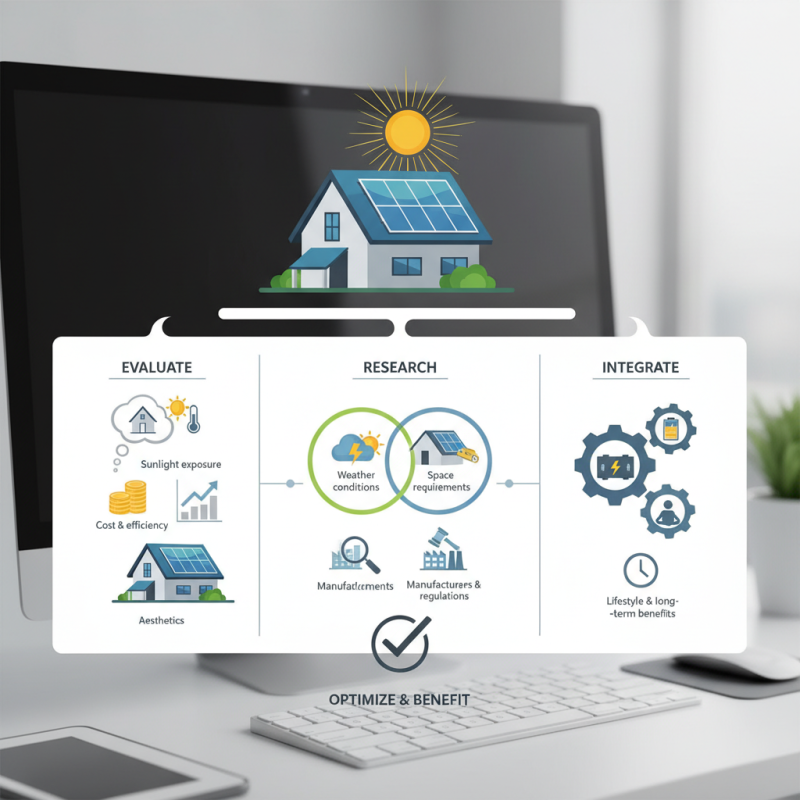
Choosing the right residential solar systems can feel overwhelming. With so many options available, it's essential to consider your specific needs. Homeowners often focus on cost, efficiency, and aesthetics when selecting their solar panels. However, they might overlook crucial aspects like local regulations and the reputation of manufacturers.
Researching the suitable residential solar systems depends on various factors. For instance, some systems perform better in cloudy weather. Others may require more space on your roof. It's important to evaluate your home’s sunlight exposure first. Potential buyers sometimes rush this process, leading to regrettable decisions later.
The installed system should also integrate seamlessly with your home. Careful consideration of inverter types and battery storage can enhance efficiency. Many homeowners discover later that they could have optimized energy usage further. In doing so, take time to reflect on your lifestyle needs. Making the right choice today can lead to significant long-term benefits.
Understanding Your Energy Needs and Consumption Patterns
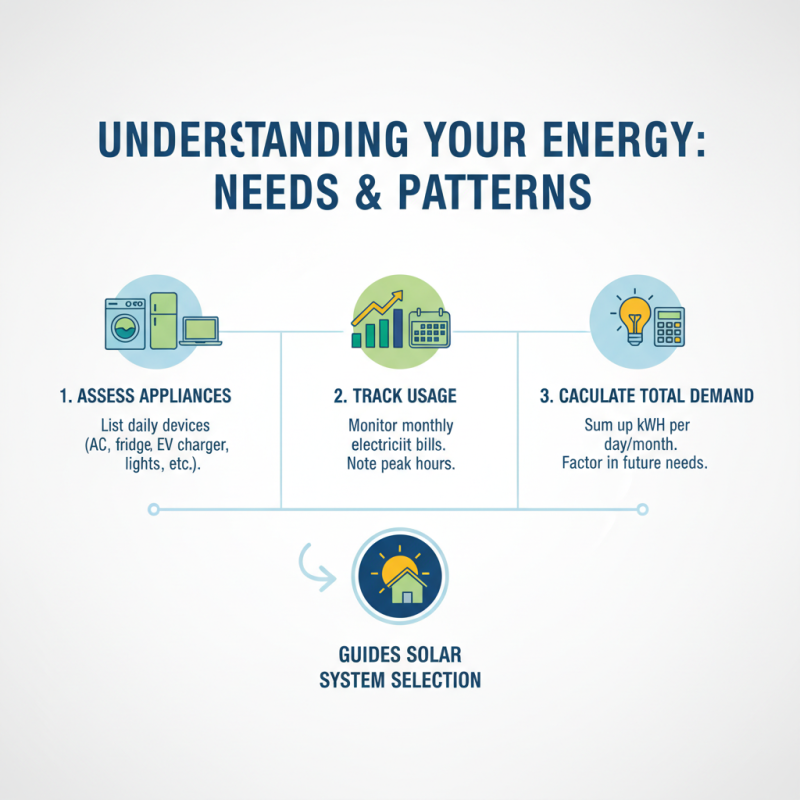
Choosing the right solar system starts with knowing your energy needs. Understand how much energy your household consumes. Consider the appliances you use daily. Take time to track your monthly electricity usage. This knowledge will guide your solar system selection.
Tips: To get precise figures, look at your energy bills. You can also use energy monitors. They help to identify high-consumption devices.
Your energy consumption patterns matter too. Determine peak usage times. Is it during the day or at night? This affects the size of the solar system you need. Ensure you account for seasonal changes in consumption.
Tips: If your routine varies, consider a flexible system. It helps adapt to changing patterns. Also, think about future needs. Plan for possible additions to your family or home.
Evaluating Different Types of Solar Panels and Inverters
When selecting solar systems, understanding the types of solar panels and inverters is crucial.
There are three main types of solar panels:
monocrystalline,
polycrystalline, and
thin-film.
Monocrystalline panels are efficient, converting up to 22% of sunlight into electricity.
In contrast, polycrystalline panels typically reach around 15-17% efficiency.
Thin-film panels are the least efficient but are lightweight and flexible.
Inverters play a significant role in transforming solar energy. Two common types are
string inverters and
microinverters.
String inverters connect multiple panels, making it a cost-effective choice for larger systems.
Microinverters work on each panel individually, boosting performance, especially in partially shaded conditions.
Tip: Assess your roof's orientation and shading before choosing a panel type.
Efficiency can vary based on sunlight exposure.
Another consideration is the warranty and lifespan of components. Most solar panels last 25-30 years,
but performance can diminish over time. Patience is key here;
not all systems will yield immediate results.
Tip: Research installation options thoroughly. Quality installation affects performance.
Validate contractors' certifications and compare their experiences.
Assessing Your Home's Roof and Installation Requirements
When considering a solar system for your home, start by assessing your roof. The roof's age and condition are crucial factors. A sturdy, well-maintained roof supports solar panels better. Check for any damage or structural issues. A new roof may be necessary before installation.
Tip: Utilize a professional inspection. They can identify potential problems that might affect installation.
The orientation and pitch of your roof also play a significant role. South-facing roofs typically receive the most sunlight, making them ideal for solar installation. A steep pitch may allow for better sun exposure. However, flat roofs can also work with the right mounting systems. Some homeowners face challenges due to shading from trees or nearby structures.
Tip: Trim trees or choose a different home location to maximize sunlight access.
Consider the installation requirements as well. Access to your roof is essential for the installation team. A difficult-to-reach roof might lead to higher labor costs. Additionally, check local regulations for permits. Some areas have specific guidelines for solar systems.
Tip: Research your local codes before planning your installation. This can save time and stress later on.
Comparing Costs, Incentives, and Financing Options
When looking into residential solar systems, costs are often the first consideration. The initial investment can be daunting. Prices can vary widely based on system size and type. Understanding the average costs in your area is essential.
It's crucial to compare quotes from different providers. Some may have hidden fees that can significantly alter the final price.
Incentives play a vital role in reducing the overall expense. Many regions offer tax credits or rebates to homeowners. Researching these options can yield substantial savings. However, specific requirements must be fulfilled to qualify. Some homeowners may overlook this aspect, missing out on potential financial relief.
Financing options can greatly impact your decision. Various loans, leases, and power purchase agreements might be available. Evaluating these choices can be confusing. Some might offer low initial payments but higher overall costs. Balancing your budget with what fits long-term is often challenging. Investing time in understanding these elements can lead to a well-informed decision.
Researching Reputable Solar Installers and Customer Reviews
When selecting residential solar systems, thorough research is essential. Focus on finding reputable solar installers. Customer reviews can offer valuable insights into their experiences. According to a recent industry report, 85% of potential solar buyers rely on online reviews to make informed decisions. This statistic underscores the importance of gathering feedback from other homeowners.
Look for installers with a strong track record. A company with positive reviews and verified credentials stands out. However, be cautious of overly positive feedback. Some reviews can be fabricated or biased. Reading both positive and negative comments is crucial. Aim for a balanced perspective. Seek details about the installation process and post-installation service.
Transparency is a key factor to consider when evaluating installers. Transparency in pricing and project timelines builds trust. A 2022 survey found that 75% of homeowners consider transparency a critical factor when selecting a solar provider. This is a telling statistic. It highlights the need for clear communication throughout the installation process. Ask questions about warranties, maintenance, and support options. Ensure the installer is open to addressing your concerns. Trust your instincts and take your time with this decision.
Comparison of Solar System Efficiency Ratings