Why is Solar Panel Installation Beneficial for Homeowners?
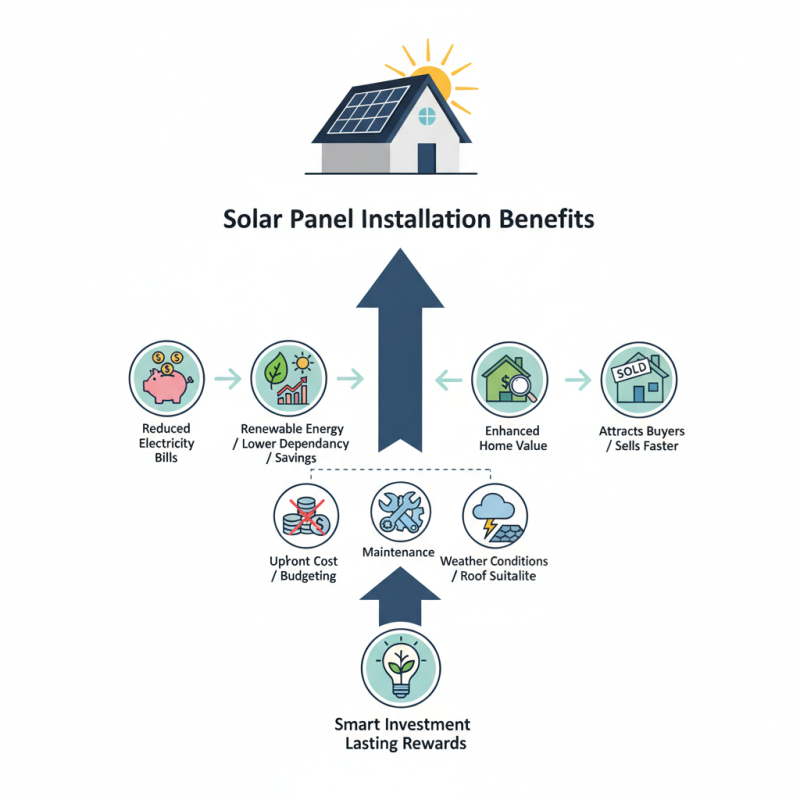
Solar panel installation offers homeowners a practical way to reduce their electricity bills significantly. Installing solar panels taps into renewable energy, lowering dependency on traditional power sources. Many homeowners report noticeable savings within the first year, proving its financial benefits.
Beyond cost savings, solar panel installation enhances a home's value. Properties equipped with solar technology tend to attract more buyers and sell faster. However, the upfront cost may be a barrier for some, requiring careful budgeting and planning.
It is important to remember that solar panels need proper maintenance and occasional repairs. Weather conditions might affect their efficiency, and not every roof suits installation. Despite these challenges, solar panel installation remains a smart investment with lasting rewards.
Overview of Solar Panel Installation Benefits for Homeowners
Solar panel installation offers numerous benefits for homeowners. One major advantage is the reduction in electricity bills. According to the U.S. Department of Energy, homeowners can save between $10,000 to $30,000 over 20 years, depending on solar efficiency and local energy costs. This savings can significantly improve the household budget.
Another key benefit is increased home value. A study by the National Renewable Energy Laboratory found that homes with solar panels sell for about 4% more than similar homes without them. This added value can be attractive when it’s time to sell. Additionally, solar panels can provide energy independence, reducing reliance on the grid. This sense of security is particularly valuable in areas prone to outages.
**Tip:** Before installing, get multiple quotes. This helps you gauge average costs and find the best deal.
Environmental impact is also essential. Transitioning to solar can reduce carbon footprints. The Solar Energy Industries Association reports that a typical residential solar system can offset up to 100 tons of carbon dioxide over its lifespan. However, homeowners should consider the environmental impact of manufacturing solar panels as well.
**Tip:** Research local programs that might offer incentives. This can enhance your savings and make installations more affordable.
Why is Solar Panel Installation Beneficial for Homeowners?
| Benefit |
Description |
Estimated Savings |
| Lower Energy Bills |
Solar panels reduce reliance on grid power, lowering monthly utility costs. |
Up to $1,500 annually |
| Increased Home Value |
Homes with solar panel systems typically sell for more than those without. |
Home value increase by 4-6% |
| Tax Incentives |
Various federal and state tax credits are available for solar panel installation. |
Up to 30% federal tax credit |
| Environmental Impact |
Using solar energy reduces carbon footprint and promotes sustainable energy use. |
Reduction of approximately 100 tons of CO2 over 20 years |
| Energy Independence |
Solar panels allow homeowners to generate their own power, decreasing dependence on fossil fuels. |
Varies based on location and system size |
Reduction in Energy Bills Through Solar Power Adoption
Solar panel adoption presents a significant opportunity for homeowners to slash energy bills. The transition to solar power allows individuals to generate their own electricity. This independence from the grid can lead to substantial savings on monthly utility costs. Homeowners often report reductions of 30% or more in their energy expenses after installing solar panels.
The initial investment can be daunting. However, incentives and financing options can ease this burden. Many homeowners find that the long-term savings outweigh the upfront costs. Typically, solar panels have a lifespan of 25 years or more, providing decades of reduced energy costs. This means consistent savings year after year.
Additionally, energy costs can be unpredictable. Daily fluctuations and rising prices add financial stress. Solar energy mitigates this concern. Homeowners can lock in lower rates. However, it's essential to consider local regulations and possible maintenance costs. Each situation is unique, and some might face challenges during installation. Awareness of these factors is key to making informed decisions.
Environmental Impact: How Solar Panels Contribute to Sustainability
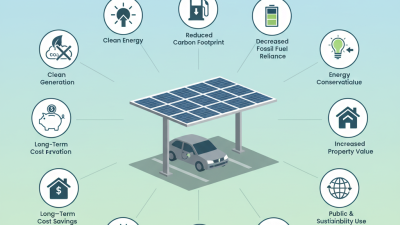
Solar panels play a vital role in promoting sustainability for homeowners. They generate clean energy from sunlight. This reduces reliance on fossil fuels. With each solar panel installed, fewer greenhouse gases are emitted. As a result, the carbon footprint of homes can significantly decrease. This shift is crucial in the battle against climate change.
Installing solar panels also conserves natural resources. Traditional energy production depletes finite resources like coal and oil. Solar energy, on the other hand, harnesses an abundant resource: the sun. Every homeowner can contribute to this effort. While solar systems require initial investment, they pay off through energy savings. Some may worry about technological advancements rendering current systems obsolete. It's a valid concern, yet the benefits of solar technology continue to grow.
Moreover, solar panels can positively impact local ecosystems. They require less water compared to traditional energy sources. This can help preserve local water supplies, essential for wildlife and communities. Still, some installations may lead to land-use changes. It's important to consider these factors when planning solar projects. By weighing the benefits and drawbacks, homeowners can make informed choices for a sustainable future.
Increase in Property Value with Solar Energy Systems
Installing solar panels can significantly boost a homeowner's property value. Homes equipped with solar energy systems appeal to buyers more. This increase can range from 4% to 6% or even higher depending on location. Many prospective buyers view solar panels as a valuable feature. This is partly due to the rising awareness of energy efficiency and sustainability.
Beyond just the monetary value, solar panels offer long-term savings. Homeowners can reduce or eliminate their electricity bills. This financial advantage often makes homes more attractive in the market. Additionally, the installation of solar energy systems can make homes eligible for tax incentives. Such benefits further enhance the appeal to potential buyers.
There's a growing unease, however, about the initial investment. Some homeowners worry about the cost of installation. They question if the return on investment will be worth it. These concerns are valid. It’s essential to weigh the costs against the long-term benefits. While many see value in solar energy, it requires thoughtful consideration. Ultimately, each homeowner's situation is unique and deserving of careful analysis.
Government Incentives and Financial Benefits for Solar Panel Users
Government incentives play a significant role in making solar panel installation financially attractive for homeowners. In the U.S., the federal solar investment tax credit (ITC) allows homeowners to deduct 26% of installation costs from their federal taxes. This credit is set to decrease in the coming years, making now an ideal time for homeowners to invest in solar energy. As reported by the Solar Energy Industries Association, the average residential solar system costs around $18,000 before incentives. With the ITC, the cost drops to approximately $13,320, showcasing a substantial immediate benefit.
Additionally, many states and local governments offer their own incentives. Grants, rebates, and tax credits can further reduce initial costs. For instance, some states provide property tax exemptions on solar installations. This means homeowners don't face increased property taxes as their home’s value rises due to the added solar infrastructure. Access to these resources can greatly lessen the financial burden of going solar.
Homeowners should consider the long-term savings as well. The average return on investment from solar panels is about 20%, according to various industry studies. However, fluctuations in energy prices and the initial installation costs can impact overall profitability. While the incentives are compelling, the process can feel complex. Homeowners must stay informed about changing regulations and incentives to maximize their benefits from solar energy.
Benefits of Solar Panel Installation for Homeowners
The chart above illustrates the financial benefits of installing solar panels for homeowners. It includes various aspects such as tax credits, energy savings, increased home value, rebates, and low maintenance costs, showing the corresponding monetary advantage associated with each benefit.