Top 10 Phosphate Fertilizers for Global Buyers in 2026?
As the global demand for crops continues to rise, Phosphate Fertilizers play a crucial role in enhancing agricultural productivity. Phosphate fertilizers supply essential nutrients that promote plant growth. Without them, food security faces significant threats. Farmers and agricultural buyers worldwide rely on these products to maximize yield.
In 2026, understanding the top phosphate fertilizers available is vital for buyers. Market dynamics shift rapidly, influenced by factors like environmental policies and technological advancements. Evaluating these products requires not just familiarity, but also expertise.
Many phosphate fertilizers vary in composition and efficiency. Some may highlight their sustainable attributes, while others focus on immediate nutrient delivery. It's essential for buyers to weigh these factors carefully. A strategic approach can lead to better choices, though the selection process can be daunting. In an evolving market, staying informed is key for making reliable decisions.
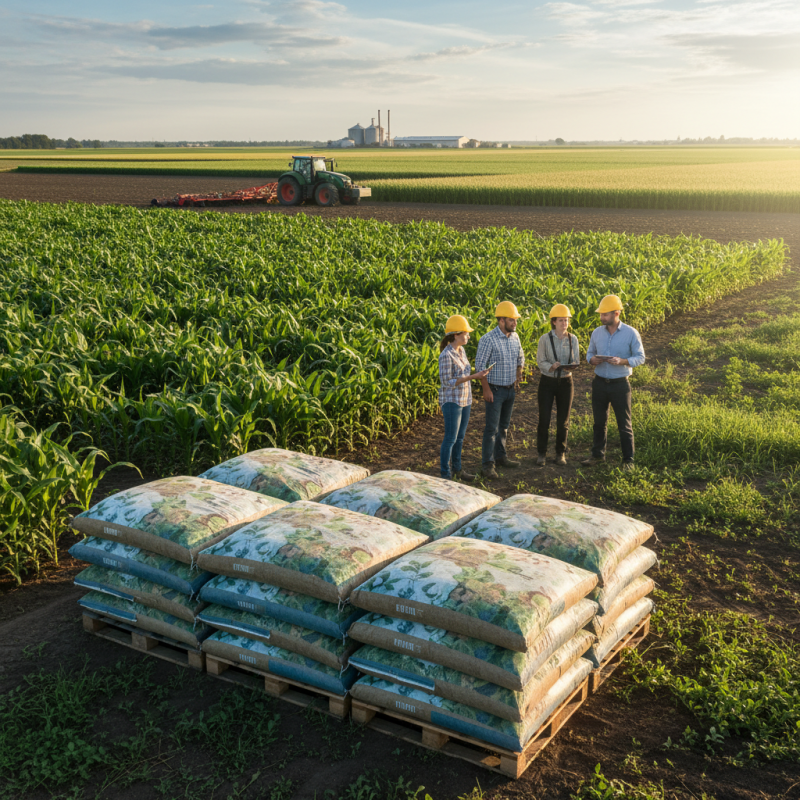
Overview of Phosphate Fertilizers and Their Global Importance
Phosphate fertilizers play a crucial role in global agriculture. As the demand for food increases, the need for effective fertilizers grows. According to the Food and Agriculture Organization (FAO), phosphate fertilizers contribute significantly to crop yield improvements. They enhance plant growth by providing essential phosphorus, a key nutrient.
In 2026, the phosphate fertilizer market is predicted to be worth over $75 billion, indicating a strong global dependency on these products. Countries with large agricultural sectors, like India and Brazil, are major consumers. However, sustainability concerns raise questions about the environmental impact of phosphate mining and runoff. Reports from the International Fertilizer Association highlight potential depletion of phosphorus resources, emphasizing the need for better management practices.
Innovation in fertilizer technology is essential. New methods, like precision agriculture, can optimize nutrient application. However, the gap between technology and farmer access must be addressed. Many small-scale farmers lack resources or knowledge to implement these advancements. As the market evolves, balancing agricultural productivity with environmental responsibilities remains a challenge.
Top 10 Phosphate Fertilizers for Global Buyers in 2026
Key Factors Influencing Phosphate Fertilizer Demand in 2026
Phosphate fertilizer demand in 2026 will be shaped by several key factors. The growth of global agriculture is central. With rising populations, the need for effective fertilizers increases. Farmers seek products that boost yield. Sustainability is also becoming a pressing concern, pushing for environmentally friendly options.
Economic factors play a significant role. Prices of raw materials and transportation costs will influence production costs. Fluctuations in the global market create uncertainty. Yet, innovations in production methods can mitigate these issues. Additionally, regulatory changes may affect how fertilizers are manufactured and sold.
Tips for buyers: Research local agricultural trends to anticipate demand. Consider eco-friendly options that align with sustainability goals. Stay updated on global market shifts, as they impact pricing and availability. Establish strong relationships with suppliers to ensure consistency in product quality and delivery. Remember, flexibility is essential in adapting to market changes.
Top 10 Phosphate Fertilizer Brands and Their Unique Features
Phosphate fertilizers play a crucial role in global agriculture. In 2026, buyers will explore various brands with distinct features. Understanding these options helps maximize crop yields and improve soil health. The global phosphate fertilizer market is projected to exceed $80 billion by 2026, according to industry reports.
One notable category is monoammonium phosphate (MAP). It stands out for its high nutrient content and rapid absorption by plants. Studies show that MAP can increase crop yield by 20% in specific conditions. Another significant option is diammonium phosphate (DAP). Farmers favor it for its dual nutrient supply—nitrogen and phosphorus. Its effectiveness can lead to substantial performance improvements, but it’s critical to analyze soil needs before use.
Brand reliability matters. Some fertilizers include slow-release mechanisms. This innovation may enhance nutrient availability over time. However, concerns exist around environmental impact. Buyers need to weigh benefits against potential risks. Exploring various phosphorus sources offers valuable insights. A more sustainable approach is necessary, pushing for innovations in fertilizer technologies.
Top 10 Phosphate Fertilizers for Global Buyers in 2026
| Rank | Type | Nutrient Content (%) | Solubility | Application | Unique Feature |
| 1 | Monoammonium Phosphate | 11-52-0 | High | Row application | Quickly available phosphorus |
| 2 | Diammonium Phosphate | 18-46-0 | Moderate | Broadcast | Balanced ratio of nitrogen & phosphorus |
| 3 | Superphosphate | 0-20-0 | Low | Soil application | Economical phosphorus source |
| 4 | Triple Superphosphate | 0-46-0 | High | Soil application | Higher concentration of phosphorus |
| 5 | Rock Phosphate | 0-30-0 | Very Low | Long-term soil amendment | Natural source of phosphorus |
| 6 | Calcium Phosphate | 20-40-0 | Moderate | Soil application | Enhances soil health |
| 7 | Phosphate-Based Liquid Fertilizers | Varies | High | Fertigation | Quickly soluble in water |
| 8 | Organic Phosphate Fertilizers | Varies | Varies | Soil application | Sustainable and eco-friendly |
| 9 | Biosolids | Varies | Moderate | Soil amendment | Recycles waste products |
| 10 | Fish Emulsion | Varies | High | Foliar application | Natural growth promoter |
Sustainability Practices in Phosphate Fertilizer Production
Sustainability practices in phosphate fertilizer production are crucial for environmental protection. Many producers are now adopting strategies to minimize their carbon footprints. The use of renewable energy sources, such as solar and wind, is becoming more common. This shift helps to reduce reliance on fossil fuels.
Additionally, waste recycling is gaining attention. Some manufacturers are working to repurpose waste materials into valuable products. This not only reduces waste but also enhances resource efficiency. However, challenges remain. The technology for recycling phosphate can still be inefficient and costly.
Water management also plays a significant role in sustainable production. Responsible water usage minimizes the impact on local ecosystems. Many companies are investing in better water treatment technologies. Yet, there are concerns about long-term water supply stability. The industry must continue to reflect on these practices and strive for improvements.
Market Trends and Future Projections for Phosphate Fertilizers in 2026
The phosphate fertilizer market is evolving rapidly. In 2026, emerging trends are shaping buyers' decisions. Sustainability is a key factor driving the market. Many buyers prefer eco-friendly products. They seek fertilizers that minimize environmental impact. This shift leads to greater demand for organic and innovative solutions.
Technological advancements are also significant. Precision agriculture and data analytics enhance fertilizer application. Farmers now rely on tailored nutrient delivery systems. These innovations not only improve yields but also conserve resources. However, the challenge remains to keep costs manageable. Balancing innovation with affordability is crucial.
Additionally, geopolitical dynamics play a role. Fluctuations in trade policies may influence access to raw materials. Buyers need to stay informed about regional regulations. A lack of transparency could lead to unexpected shortages. As the market evolves, adaptability will be vital for success. Understanding these trends will equip global buyers for the future.


