POF Shrink Tube Bag Tips for Effective Packaging Solutions?
The packaging industry has seen significant transformations in recent years. According to the Flexible Packaging Association, flexible packaging, including POF Shrink Tube Bags, is becoming increasingly popular due to its lightweight and cost-effective nature. POF Shrink Tube Bags, made from polyolefin film, offer superior clarity and strength. They protect contents from moisture and dust effectively.
However, many companies still struggle with optimizing their packaging solutions. A recent report indicates that 35% of organizations fail to meet customer demands due to improper packaging choices. This is where POF Shrink Tube Bags shine. They are adaptable to various products, making them a versatile choice in diverse sectors. Yet, the challenge remains for businesses to understand how to use these bags effectively.
Inadequate sealing and improper sizing can undermine POF Shrink Tube Bags’ benefits. For brands aiming for efficiency, addressing common issues is crucial. Investing in training and proper equipment can enhance the effectiveness of these bags. Exploring innovative applications and staying updated on trends can also make a difference. The goal is to achieve both presentation and protection while minimizing waste.
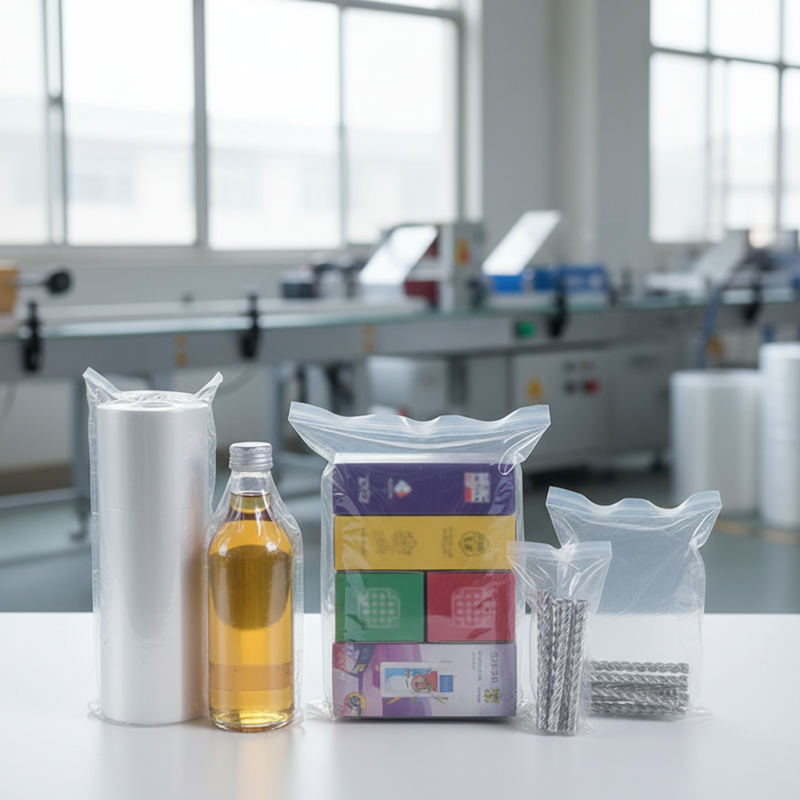
POF Shrink Tube Bag Overview: Properties and Benefits in Packaging
POF shrink tube bags are gaining popularity in packaging for their unique properties and benefits. These bags are made from polyolefin, a versatile material known for its clarity and heat resistance. When heat is applied, the bags shrink tightly around products, providing a secure fit. This feature not only enhances product visibility but also keeps items protected from dust and moisture.
The flexibility of POF shrink tube bags is another advantage. They can accommodate various shapes and sizes, catering to diverse packaging needs. Companies often use them for packaging food, electronics, and other consumer goods. However, it's important to consider some limitations. Not every item is suitable for shrink wrapping. Products with sharp edges may puncture the bags during the shrinking process. Careful assessment is needed before packaging.
Some users have noted that improper sealing can lead to issues. If the bags are overheated, they may become brittle and tear easily. Finding the right balance in temperature and time is crucial. Experimenting with different settings might be necessary to achieve the best results. Hence, while POF shrink tube bags have notable strengths, potential users should evaluate their applications mindfully.
POF Shrink Tube Bag Tips for Effective Packaging Solutions
| Property | Description | Benefits |
| Material | Polyolefin (POF) | Strong, flexible, and resistant to punctures |
| Shrink Ratio | Up to 50% | Provides a tight fit around the product |
| Clarity | High transparency | Enhances product visibility |
| Seal Strength | Strong heat seals | Prevents tampering and protects the product |
| Environmental Impact | Recyclable and less harmful than PVC | Better for the environment |
| Temperature Resistance | Effective in a wide temperature range | Suitable for various products |
Understanding POF Shrink Tube Bag Specifications and Materials
POF shrink tube bags are becoming popular in packaging solutions. They offer flexibility and durability, making them suitable for many products. Understanding their specifications is essential for effective use. POF stands for polyolefin, a material that provides a clear finish and excellent sealing capabilities.
According to industry reports, the global POF shrink film market is projected to reach $2.5 billion by 2025. This growth highlights the increasing demand for versatile packaging materials. POF shrink tube bags maintain a low shrink temperature, which is ideal for heat-sensitive goods. However, improper handling during the shrinking process can lead to defects. It is important to ensure the heat is evenly distributed.
Materials used in POF bags can impact performance. High-density polyethylene (HDPE) is often favored for its strength. However, it can be expensive and less environmentally friendly. The environmental impact of packaging is a growing concern. Reports indicate that consumers prefer sustainable options. Balancing quality and sustainability remains a challenge in the industry. Making informed decisions about materials can enhance both performance and environmental responsibility.
Key Industry Applications of POF Shrink Tube Bags and Market Trends
POF shrink tube bags have become essential in various industries. These bags provide a reliable and efficient packaging solution. They are commonly used in food, electronics, and retail. Their versatility makes them popular among manufacturers. In the food industry, these bags extend shelf life and maintain freshness. For electronics, they prevent dust and moisture damage. Retailers use them for attractively packaged goods.
Market trends indicate a growing demand for sustainable packaging. More companies seek eco-friendly options. POF shrink bags can be made from recyclable materials. This shift promotes environmental responsibility among consumers. However, not all products currently meet these standards. Many still rely on non-biodegradable options. There is a need for better innovations in this space.
Industry professionals must address these challenges. Adapting to changing consumer preferences is crucial. Additionally, they should explore new technologies for manufacturing. Improvement in sealing techniques could enhance performance. Training for staff on the benefits of these bags is also necessary. Such initiatives can drive efficiency. Companies should regularly assess their packaging methods and make adjustments. This ongoing reflection can lead to significant improvements.
POF Shrink Tube Bag Applications and Market Trends
Best Practices for Using POF Shrink Tube Bags in Product Packaging
POF shrink tube bags have gained popularity due to their effective sealing capabilities. They provide a tight fit around products, ensuring protection and enhancing presentation. According to a recent market report, the global shrink packaging market is expected to reach USD 14.5 billion by 2025, growing at a CAGR of 5.2%. This growth reflects the increasing demand for efficient packaging solutions.
When using POF shrink tube bags, consider size and thickness. Choosing the right bag can prevent waste and ensure the product is fully encapsulated. Inadequate sizing can lead to excess material or product damage. In a 2021 survey, 30% of manufacturers reported struggles with optimal bag sizes. Unexpectedly, this can inflate costs and harm brand reputation.
Sealing techniques also require attention. A heat source must achieve the correct temperature. Overheating can damage the product, while underheating may lead to weak seals. A study showed that 25% of packaging failures were due to improper sealing methods. Monitoring the process helps avoid costly mistakes. Lastly, testing your packaging with real products is crucial. Adjustments might be necessary after initial attempts. Balancing efficiency and protection remains a constant challenge.
Comparative Analysis: POF Shrink Tube Bags vs. Traditional Packaging Solutions
POF shrink tube bags are gaining traction in the packaging industry. They offer several advantages over traditional packaging solutions. Their flexibility allows for a snug fit around products, which minimizes movement during transit. This reduces damage risk. The aesthetics are often more appealing than conventional methods. A clear display is possible with shrink tubes, enhancing product visibility on shelves.
When considering effective packaging, here are some tips. First, ensure proper sizing. A too-tight wrap can lead to tears. A too-loose fit may not protect the product well. Second, maintain the right temperature during the shrinking process. Inadequate heat can cause wrinkles. Overheating may damage the packaging. Third, consider sealing methods that work best for the materials involved. Some might require specific adhesives for optimal results.
Comparatively, traditional packaging often lacks the visual impact of POF shrink tubes. Cardboard boxes and bubble wrap provide basic protection, but they can be bulky. POF shrink bags occupy less space, which is crucial for storage. Moreover, they are often lighter, which can reduce shipping costs. However, not all products are suitable for shrink wrapping. Certain shapes or sensitive items may pose challenges. Testing different materials is essential to find what works best.


