China's Hydrogen Refueling Stations at 2026 Canton Fair Opportunities?
As the world shifts towards sustainable energy solutions, the importance of Hydrogen Refueling Stations (HRS) grows significantly. According to a report by the International Energy Agency, the global hydrogen market is expected to reach $2.5 trillion by 2050. This growth presents opportunities for innovation and investment in HRS infrastructure. Expert Dr. Emily Chen, a leading figure in the hydrogen energy sector, states, "The future of transportation relies on robust hydrogen refueling networks."
In 2026, the 139th Canton Fair, set for April and May, will showcase advanced manufacturing and new materials. This event presents an excellent platform for companies involved in HRS technology to connect with partners and stakeholders. With innovative features like AI-enhanced navigation, attendees can efficiently identify suppliers that meet specific certifications, such as ISO and CE.
Reflection on the industry suggests that while progress is underway, many regions lack adequate HRS coverage. This gap must be addressed to fully realize hydrogen’s potential as a clean energy source. The ongoing developments will be crucial for achieving a sustainable hydrogen economy.
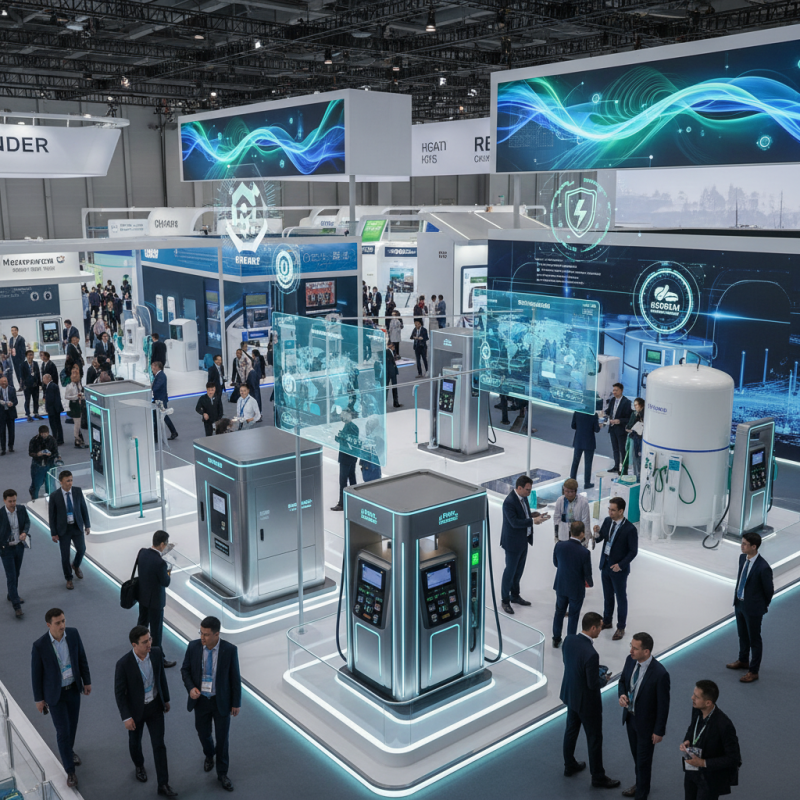
China's Hydrogen Refueling Stations: An Overview
China's hydrogen refueling stations are gaining attention for their potential. These stations play a crucial role in supporting hydrogen fuel cell vehicles. They provide an essential service by enabling quick refueling, similar to traditional gasoline stations. This ease of use can encourage more people to switch to cleaner energy.
However, the development of hydrogen refueling stations faces challenges. The infrastructure is still limited in many areas. Investment and collaboration are needed to expand reach. In some cases, the technology used in these stations is not fully optimized. There are safety concerns to address, too. Public perception of hydrogen fuel safety can be a hurdle.
As conversations around hydrogen energy grow, opportunities will arise. The upcoming Canton Fair could be a platform for innovation. Networking can lead to advancements in technologies and policies. Collaborative efforts might reshape the landscape of hydrogen fuel in China. It’s a developing field that requires attention and effort from various sectors. Growth is possible with commitment from industry players and the government.
Current Status of Hydrogen Infrastructure in China
The current status of hydrogen infrastructure in China presents both remarkable advancements and significant challenges. As of 2023, China has over 200 hydrogen refueling stations. This accounts for about 65% of the global total. However, the distribution of these stations is uneven. Many are concentrated in major cities, leaving rural areas underserved.
China's government aims to establish a comprehensive hydrogen infrastructure by 2035. This includes reaching 1,000 refueling stations and investing around $10 billion for development. While these goals are ambitious, achieving them requires overcoming issues such as safety regulations and technology standards. The effectiveness of maintenance and training for hydrogen station operators also needs improvement.
Tips: Look for local incentives when considering hydrogen vehicles. Awareness of available subsidies can reduce costs. Networking is crucial at events like the Canton Fair. Engage with industry professionals to learn best practices and innovative solutions. Exploring partnerships may offer opportunities to mitigate infrastructure challenges.
Opportunities for Innovation at the 2026 Canton Fair
The 2026 Canton Fair presents unique opportunities for innovation. With the global drive toward sustainable energy, hydrogen refueling stations are gaining traction. According to a recent report from the International Energy Agency, hydrogen demand could reach 500 million tons by 2030. This shift creates a ripe environment for innovative solutions.
Startups and established companies alike can showcase advancements in hydrogen technology at the fair. The focus will likely be on enhancing efficiency and reducing costs. Experts estimate that production costs for green hydrogen could drop by 30% in the next few years. This potential decreases barriers for adoption in various industries, from transportation to energy storage.
Tips: Engage with industry leaders. Learn from their experiences. Explore collaboration opportunities to enhance your projects.
While the enthusiasm is high, challenges remain. Infrastructure for hydrogen distribution is still limited. Efforts are needed to develop comprehensive networks. Stakeholders must also address safety concerns related to hydrogen usage.
Tips: Stay informed about regulatory frameworks. This knowledge can guide strategic decisions. Attend workshops at the fair to gather insights.
Key Players and Stakeholders in Hydrogen Technologies
The development of hydrogen refueling stations has gained momentum in recent years. China is making significant strides in this sector. As we approach the 2026 Canton Fair, key players and stakeholders are eager to showcase their innovations. The fair will be a platform for exchanging ideas and forming partnerships.
Many companies are exploring new technologies in hydrogen production and storage. Collaboration among businesses, researchers, and government entities is essential. This synergy can drive advancements in hydrogen infrastructure. However, challenges remain. Funding and regulatory hurdles can slow progress. Stakeholders need to be aware of these barriers.
Tip: Engage with diverse participants at fairs. Connecting with various experts can lead to unexpected insights. Explore the latest research and trends. Integrating innovative technologies can enhance refueling station efficiency. Keep an eye on evolving policies. They may impact hydrogen initiatives.
Improving public awareness is crucial for hydrogen adoption. Discomfort may arise due to lack of knowledge. Efforts should focus on education and outreach. Ensuring safety and reliability builds trust in hydrogen solutions. Stakeholders must maintain open dialogues about advancements. Sharing experiences can foster a collective vision for a sustainable future.
China's Hydrogen Refueling Stations: Opportunities and Trends (2026)
Future Trends and Challenges in Hydrogen Refueling Accessibility
The future of hydrogen refueling stations is both promising and challenging. Accessibility remains a critical issue. Currently, many regions lack adequate infrastructure. This creates barriers for potential users and hinders growth. Imagine a bustling city with cars running on hydrogen, but no stations to refuel them. The excitement quickly fades when practicality comes into play.
Financing new stations poses another challenge. The initial investment is significant. Many investors hesitate, seeking assurance of future gains. Without government incentives, the growth may stall. In rural areas, the need is even greater, yet stations are scarce. How can we encourage development in these neglected regions?
Public awareness also plays a role. Most people are unaware of hydrogen's benefits. Education about hydrogen fuel can improve acceptance. Workshops and community events could spark interest. More knowledge may lead to increased demand. This cycle could drive improvements in infrastructure. Addressing these challenges will be key to building a solid foundation for the hydrogen economy.
China's Hydrogen Refueling Stations at 2026 Canton Fair Opportunities? - Future Trends and Challenges in Hydrogen Refueling Accessibility
| Category | Projected Number of Stations (2026) | Investment (Billion USD) | Annual Refueling Capacity (Million kg) | Accessibility Rating (1-5) |
| Urban Areas | 500 | 10.5 | 20 | 4 |
| Suburban Areas | 300 | 5.0 | 10 | 3 |
| Rural Areas | 100 | 2.0 | 5 | 2 |
| Transport Hubs | 200 | 7.0 | 15 | 4 |
| Industrial Areas | 150 | 6.5 | 12 | 3 |


